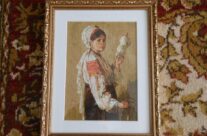
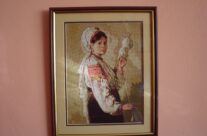
-
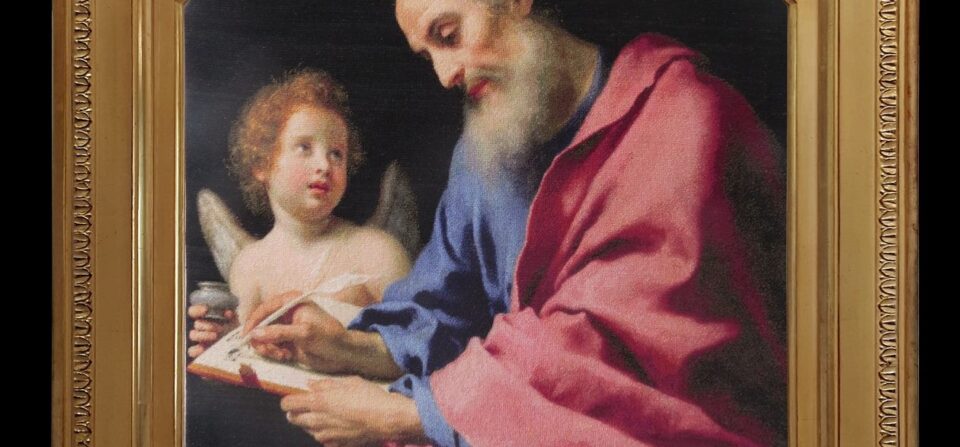
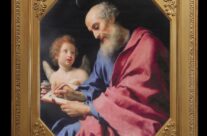
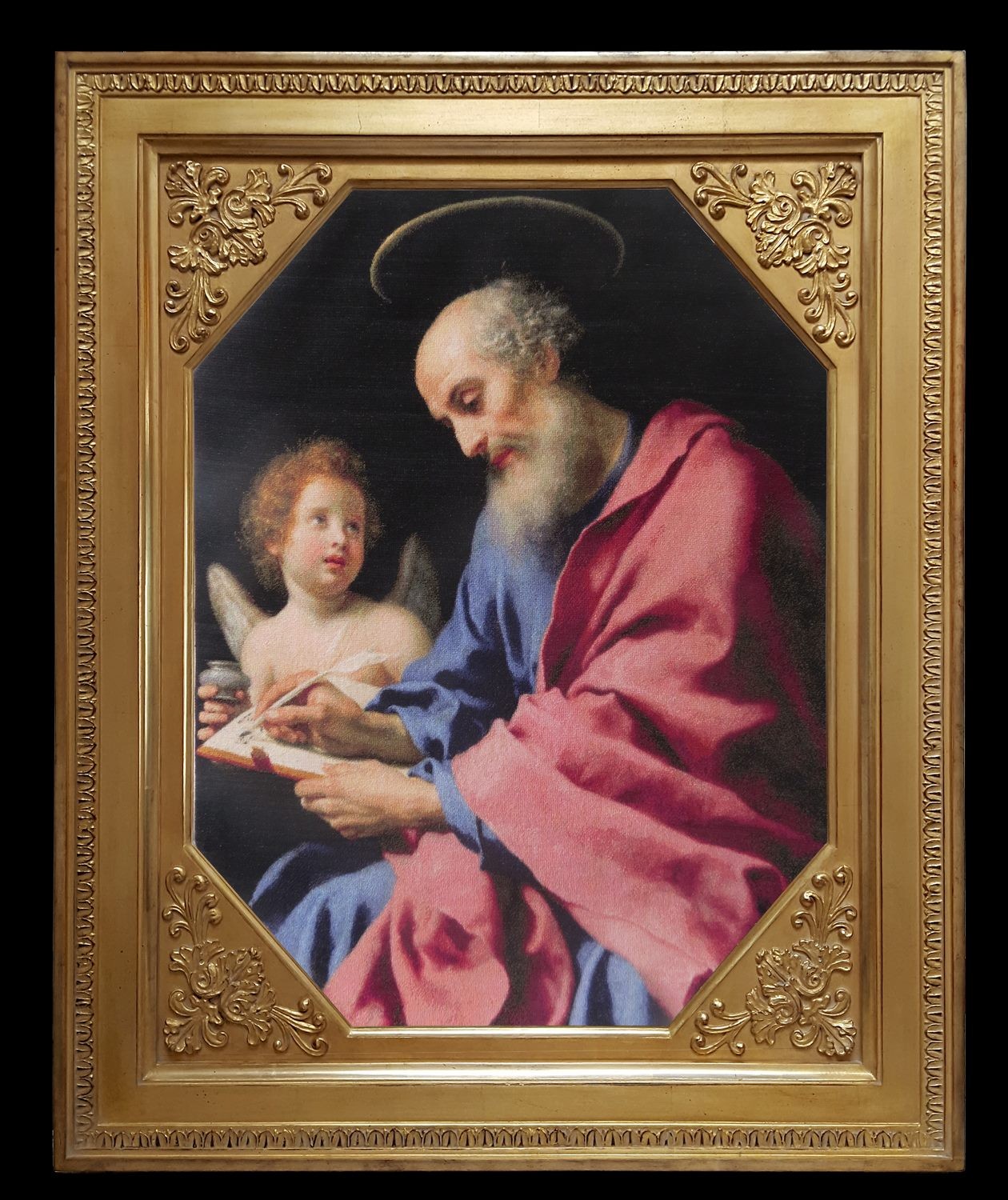
Saint Matthew Writing His Gospel
Painter: Carlo Dolci Colors: 150 / 21 blends Dimensions: 50 * 62.9 squares1 square is 10 * 10 dots, about 1 centimeter Price: 12500 € Framed: Cornel Rosca Carlo (or Carlino) Dolci (25 May 1616 – 17 January 1686) was an Italian painter of the Baroque period, active mainly in Florence, known for highly finished religious pictures, often repeated in many versions. Location: The J. Paul Getty Museum, Los Angeles USA. Carlo Dolci painted this canvas...
-
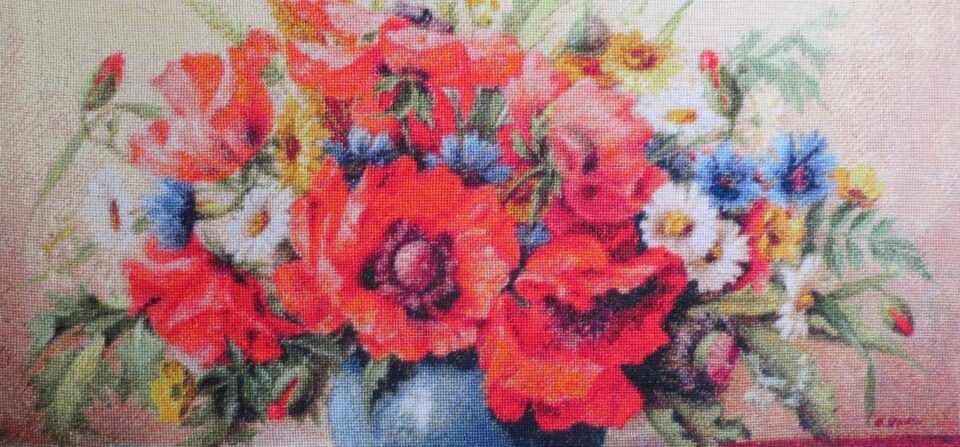
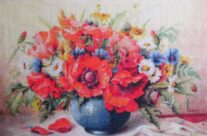
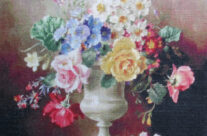
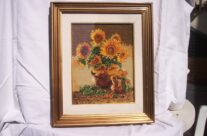
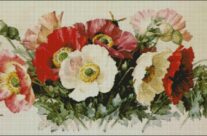
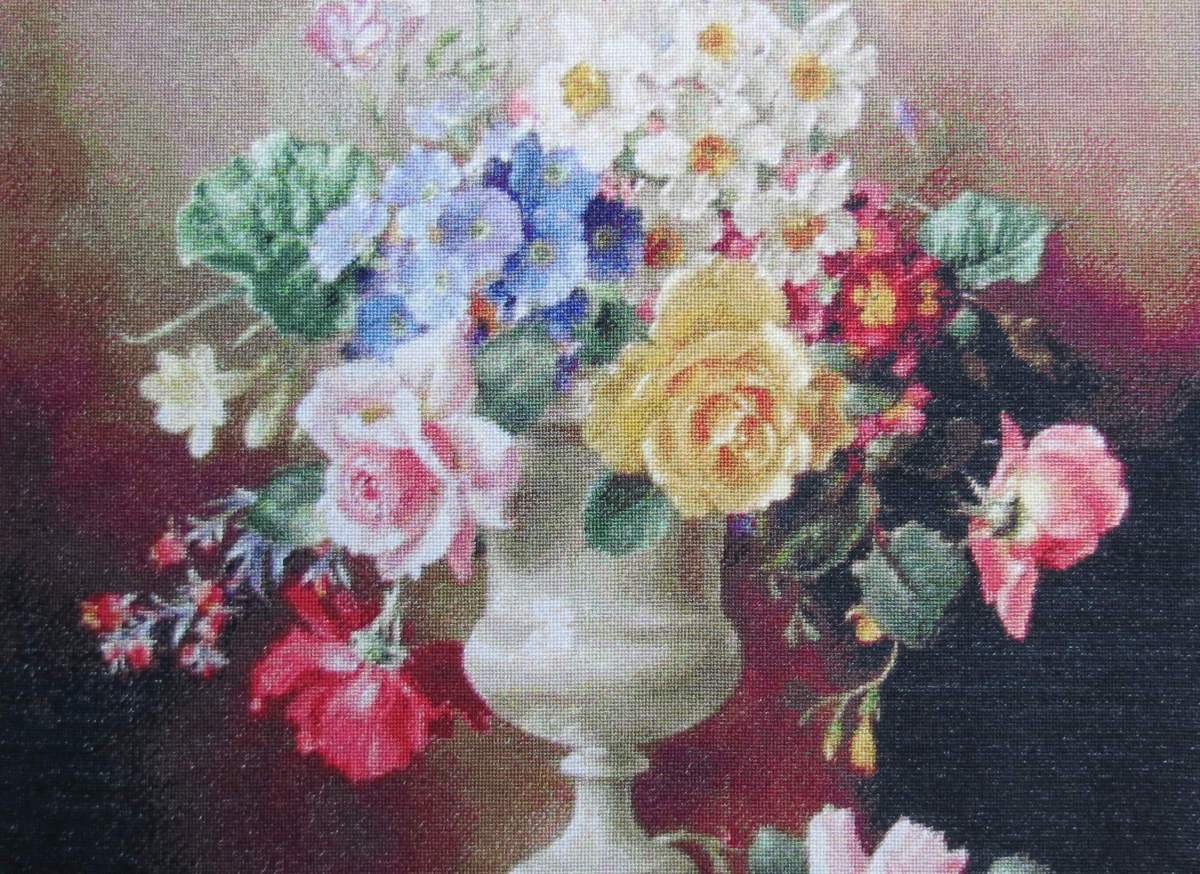
Wildflowers
Painter: M.Gauss Colors: 130 Dimensions: 35 * 25 squares1 square is 10 * 10 dots, about 1 centimeter Price: 3500 €
-
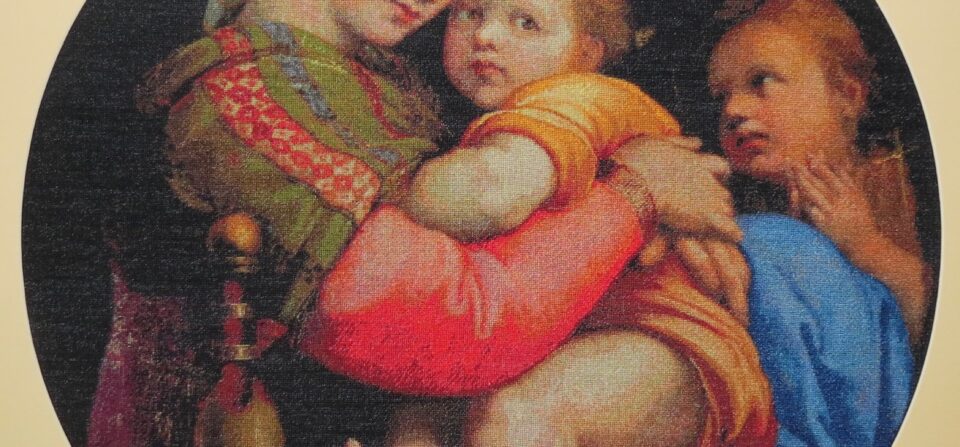
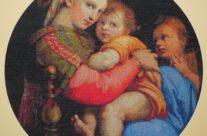
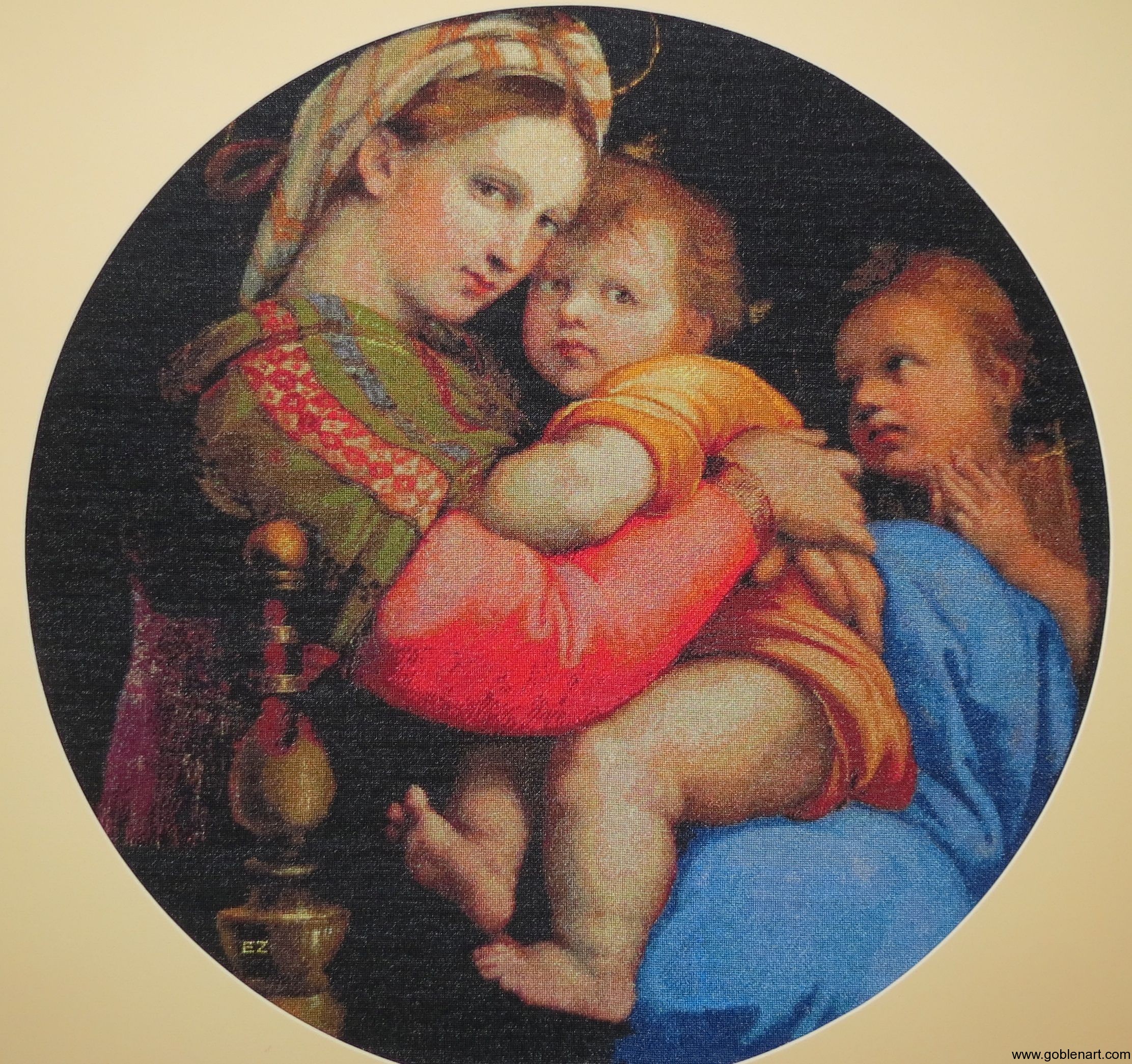
Madonna della Seggiola
Painter: Rafael Sanzio Colors: 120 Dimensions: 50 * 50 squares1 square is 10 * 10 dots, about 1 centimeter Price: 10000 €
-
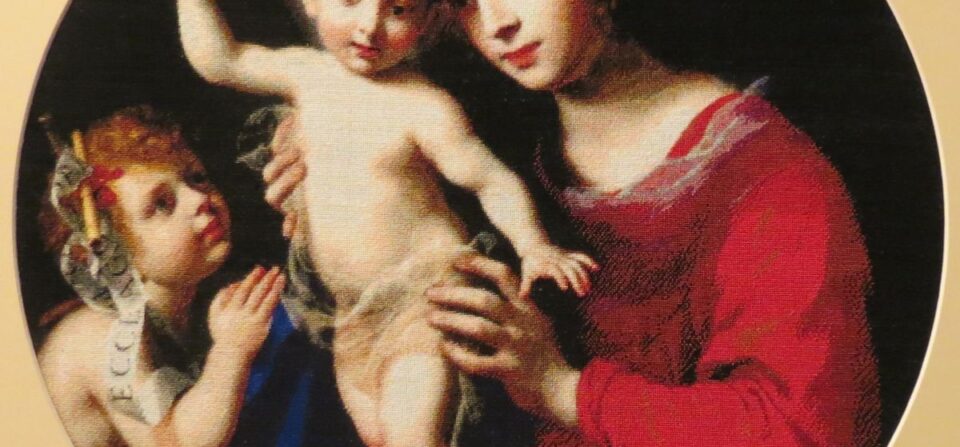
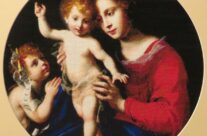
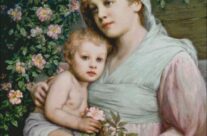
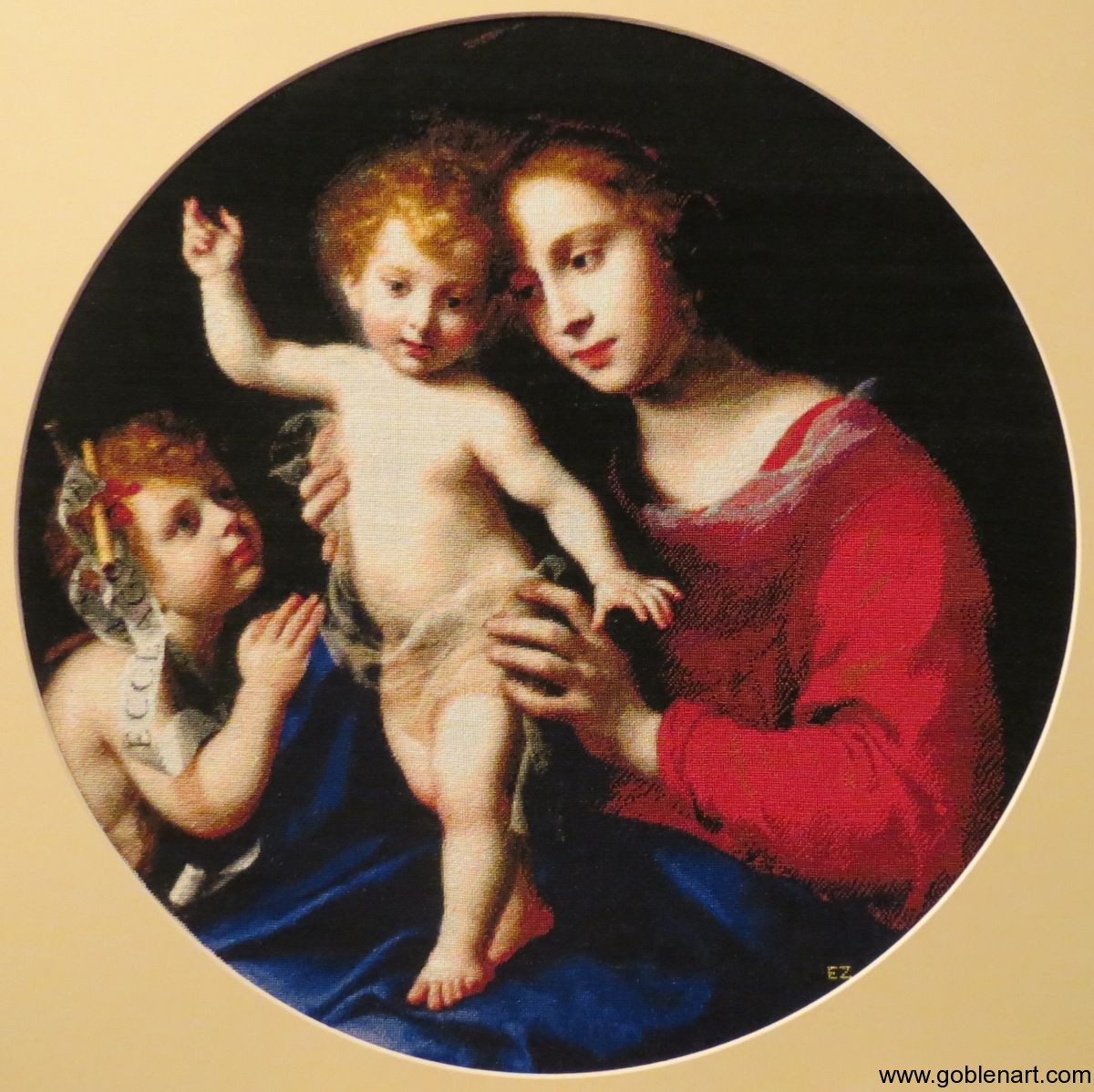
Virgin and Child with the Infant Saint John the Baptist
Painter: Carlo Dolci Colors: 110 Dimensions: 45 * 45squares1 square is 10 * 10 dots, about 1 centimeter Price: 10000 €
-
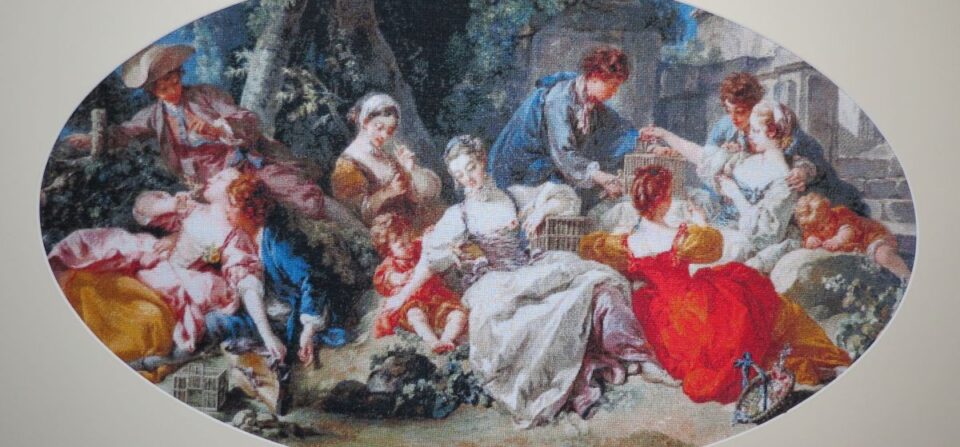
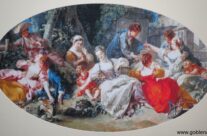
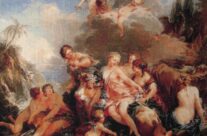
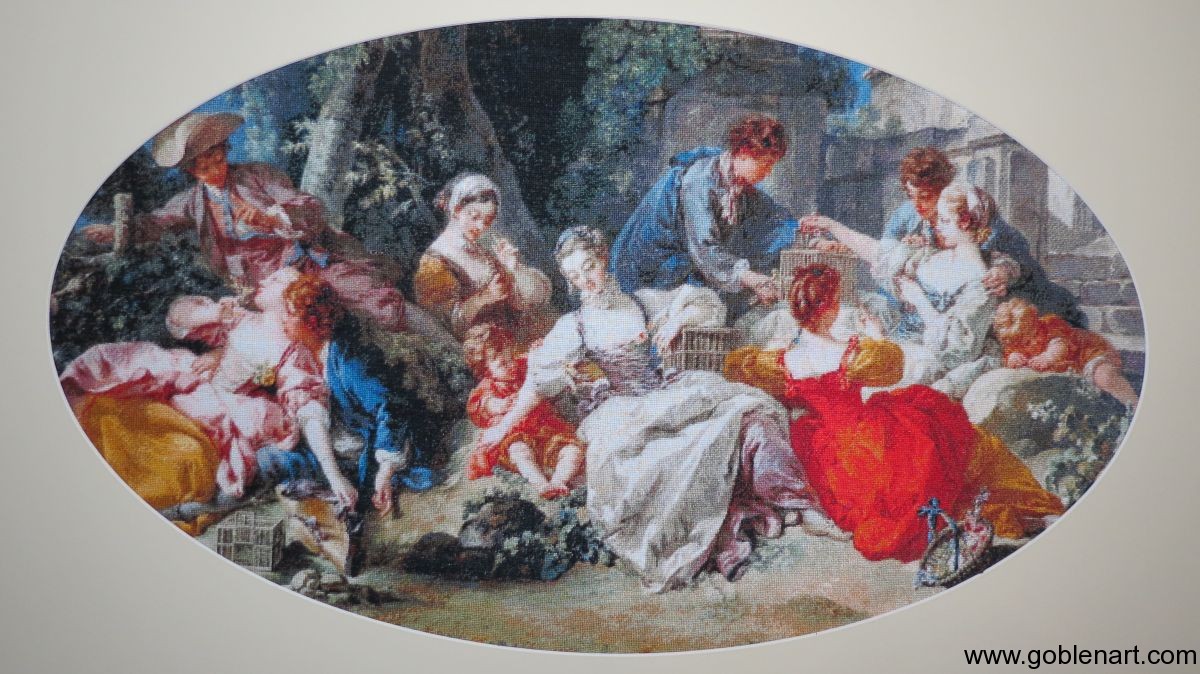
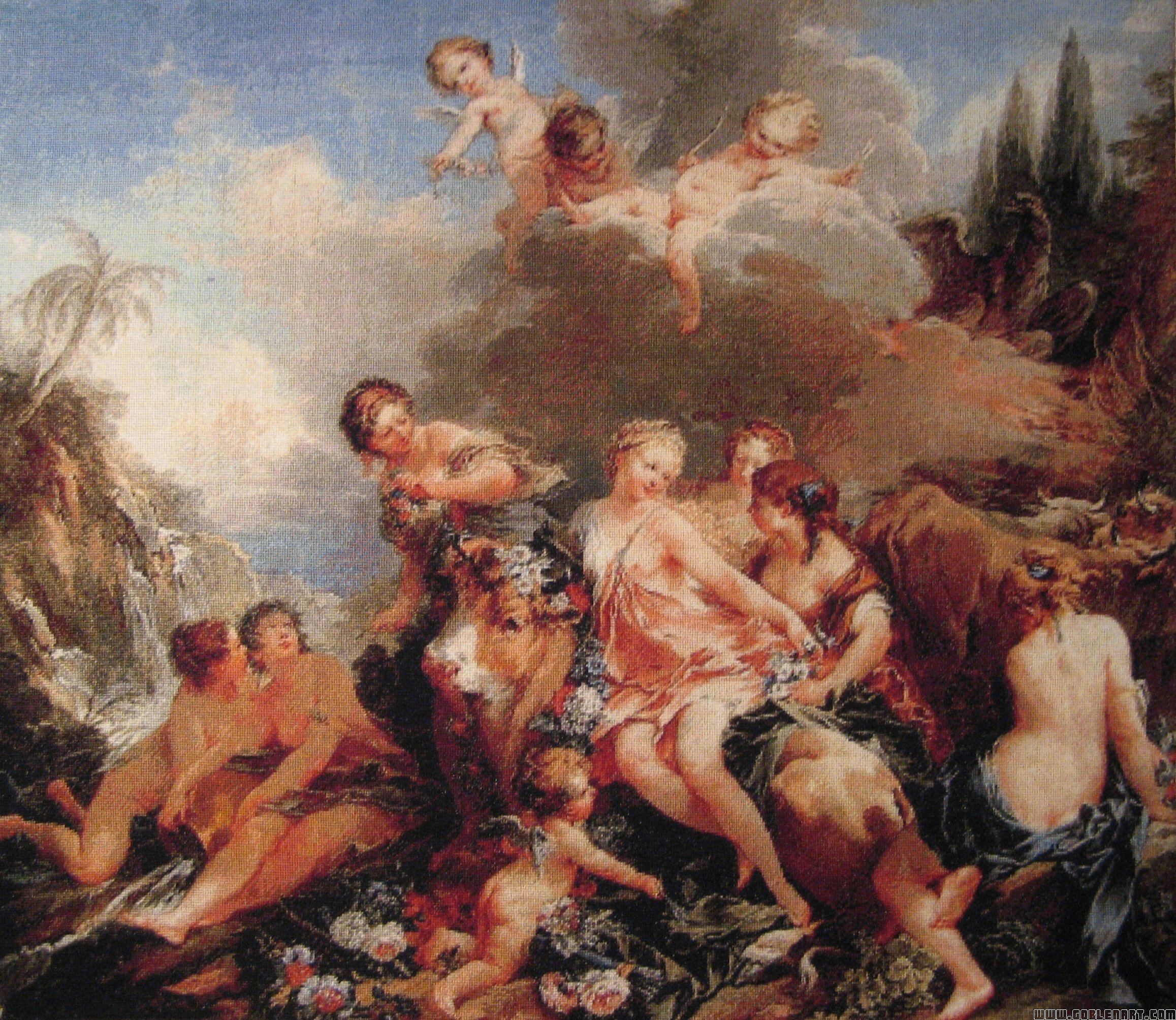
The Bird Catchers
Painter: Francois Boucher Colors: 120 Dimensions: 63 * 35 squares1 square is 10 * 10 dots, about 1 centimeter Price: 10000 €
-
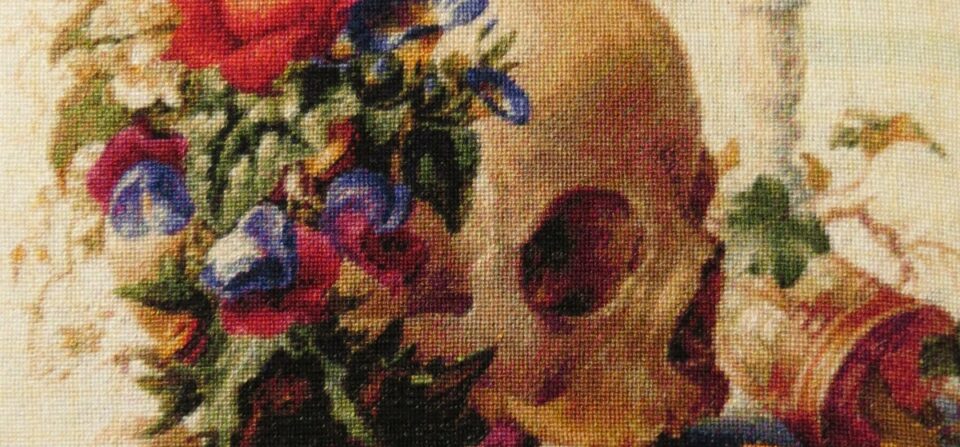
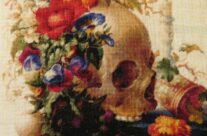
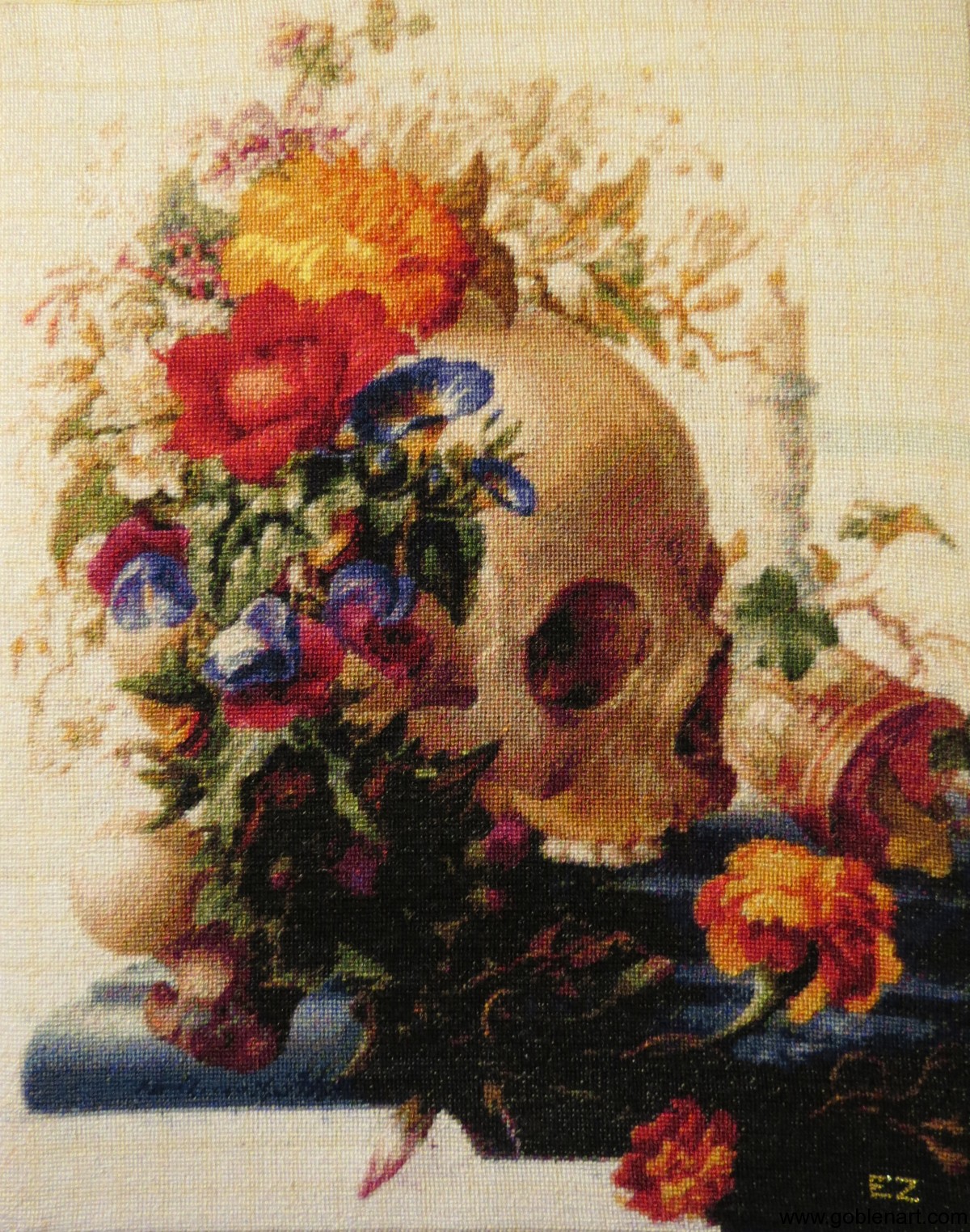
Vanitas Still Life
Painter: Herman Henstenburgh Colors: 90 Dimensions: 23 * 27 squares1 square is 10 * 10 dots, about 1 centimeter Price: 2500 € Herman Henstenburgh (1667, Hoorn – 1726, Hoorn), was an 18th-century painter from the Northern Netherlands. This highly colorful drawing on parchment depicts a vanitas-still life, reminding the viewer of the brevity of life, to which the skull, the bone, the just-extinguished candle, the toppled hourglass, and the flower...
-
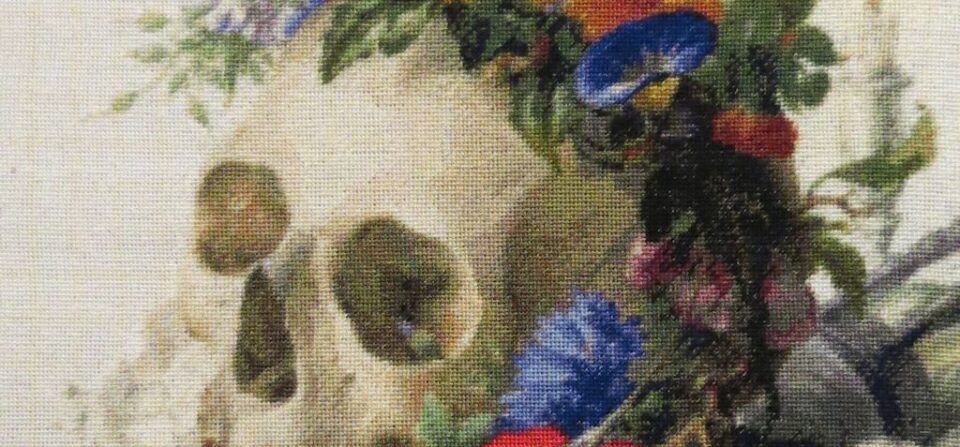
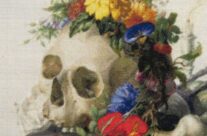
Vanitas Still Life 2
Painter: Herman Henstenburgh Colors: 90 Dimensions: 23 * 27 squares1 square is 10 * 10 dots, about 1 centimeter Price: 2500 € Herman Henstenburgh (1667, Hoorn – 1726, Hoorn), was an 18th-century painter from the Northern Netherlands. This highly colorful drawing on parchment depicts a vanitas-still life, reminding the viewer of the brevity of life, to which the skull, the bone, the just-extinguished candle, the toppled hourglass, and the flower...
-
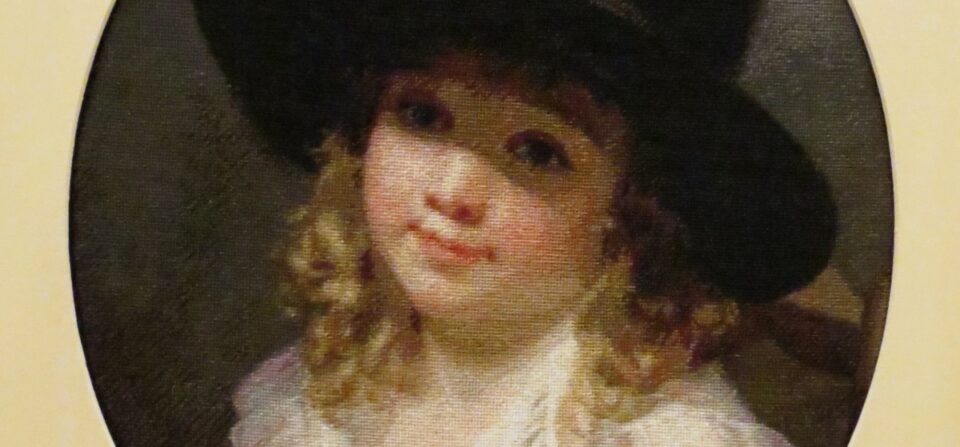
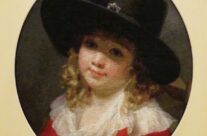
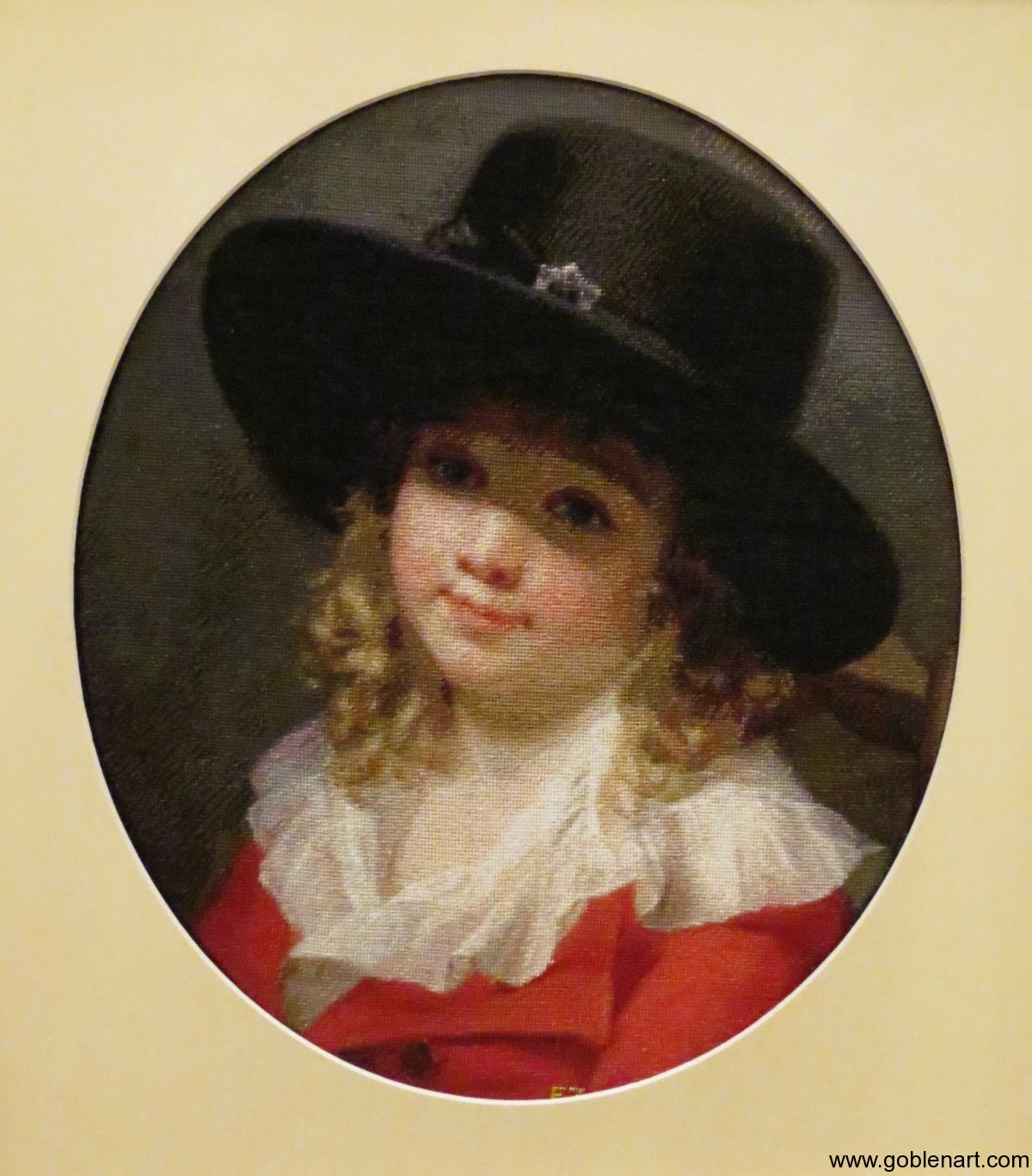
Portrait of a young boy wearing a black hat and red coat
Painter: Jean-Laurent Mosnier Colors: 90 Dimensions: 27 * 30 squares1 square is 10 * 10 dots, about 1 centimeter Price: 2500 € Mosnier was a versatile and prolific portrait painter, who modified his style in accordance with his changing geographical circumstances, and used his skill as a trained miniaturist in his highly polished and detailed full size portraits. He was a student at the Academie de St Luc, Paris, where he trained as a miniature...
-
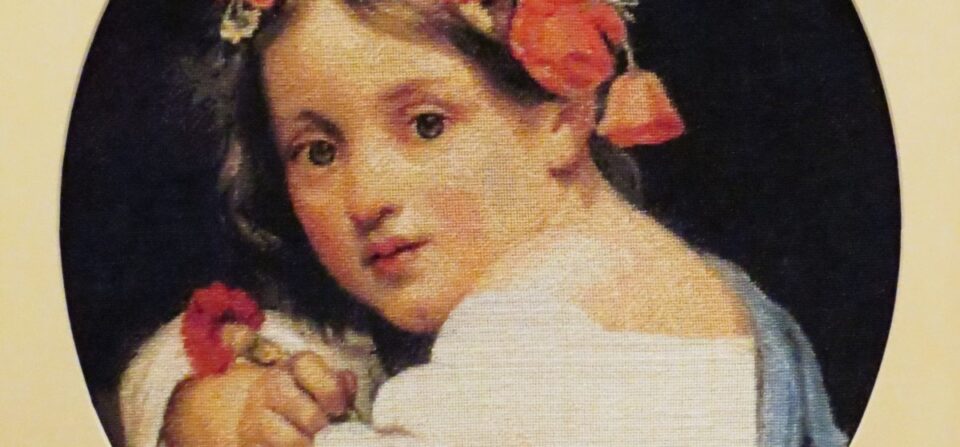
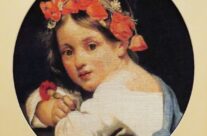
Girl wearing a poppy wreath
Painter: Orest Kiprensky Colors: 90 Dimensions: 30 * 32 squares1 square is 10 * 10 dots, about 1 centimeter Price: 3000 € Orest Adamovich Kiprensky (1782 – 1836) was a leading Russian portraitist in the Age of Romanticism. His most familiar work is probably Alexander Pushkin’s portrait (1827), which prompted the poet to remark that “the mirror flatters me”. Located in The Tretyakov Gallery, this Romanticism portrait...
-
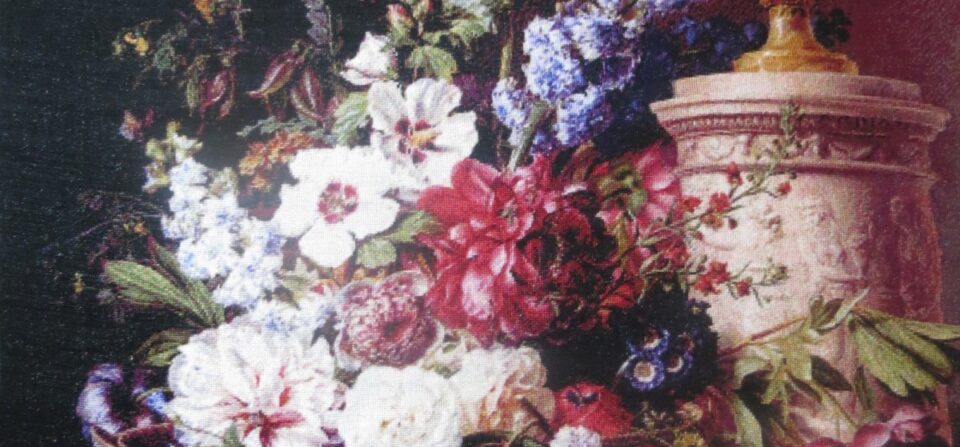
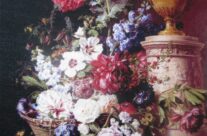
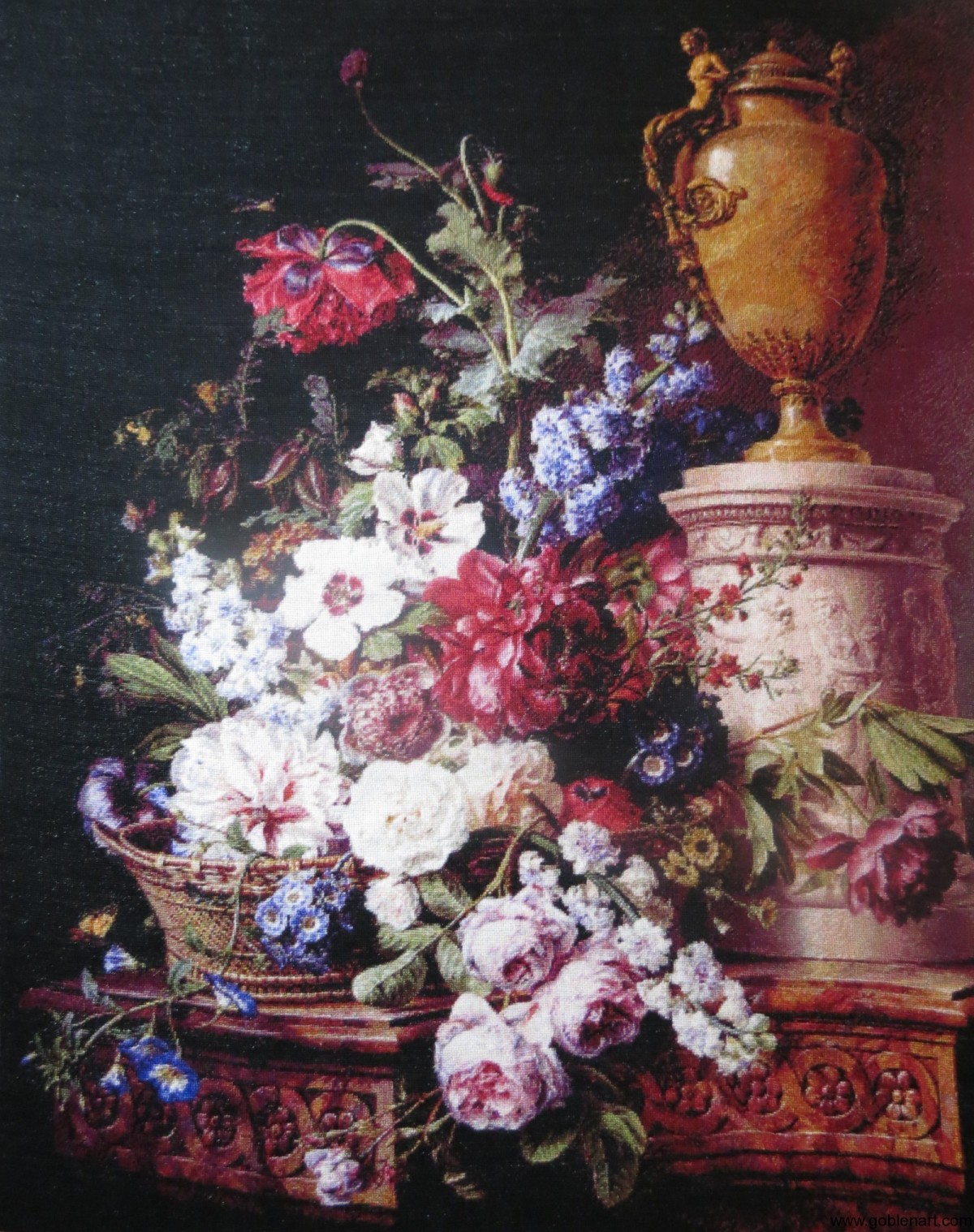
Still life of flowers in a basket with two butterflies, a dragonfly, a fly and a beetle
Painter: Gerard van Spaendonck Colors: 90 Dimensions: 45 * 57 squares1 square is 10 * 10 dots, about 1 centimeter Price: 11000 € Gerard van Spaendonck (22 March 1746 – 11 May 1822) was a Dutch painter. Gerard was born in Tilburg, an older brother of Cornelis van Spaendonck (1756–1840), who was also an accomplished artist. In the 1760s he studied with decorative painter Willem Jacob Herreyns (also known as Guillaume-Jacques Herreyns)...
-
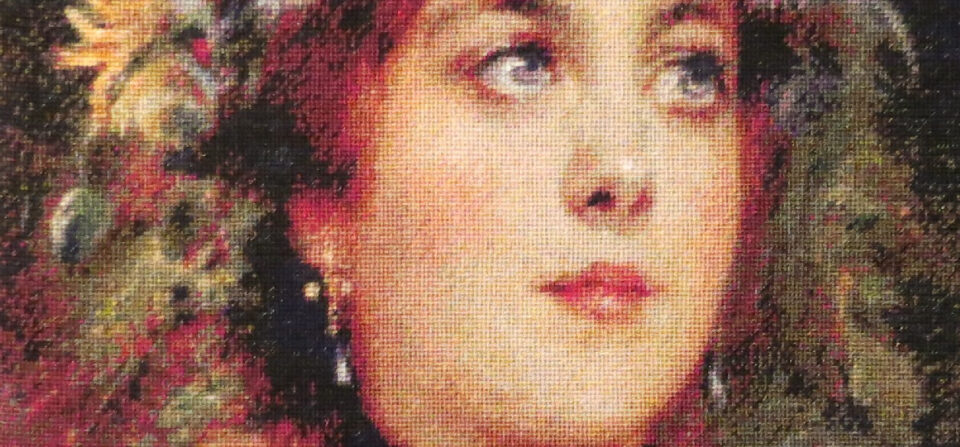
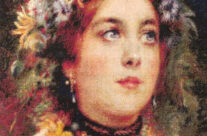
Russian beauty in summer garland
Painter: Konstantin Makovsky Colors: 90 Dimensions: 25 * 33 squares1 square is 10 * 10 dots, about 1 centimeter Price: 4000 € Konstantin was born in Moscow as the older son of a Russian art figure and amateur painter, Yegor Ivanovich Makovsky. His mother was a music composer, and hoped her son would one day follow in her footsteps. In 1851 Konstantin entered the Moscow School of Painting, Sculpture and Architecture where he became the top student,...
-
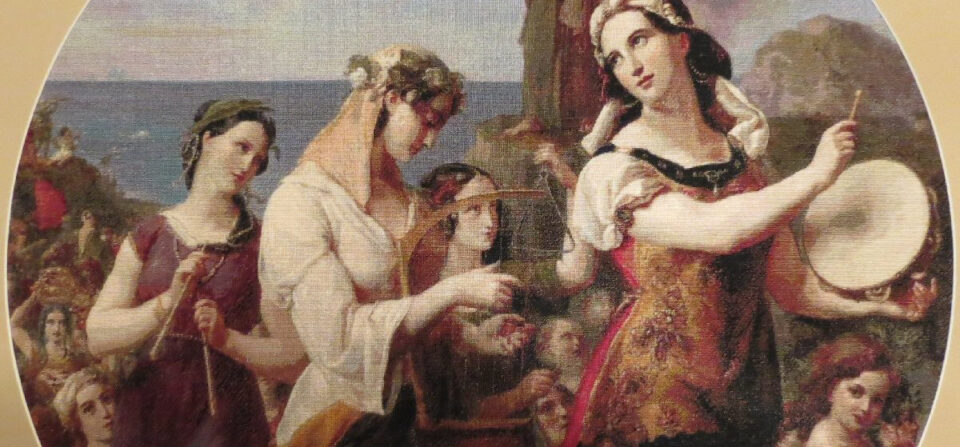
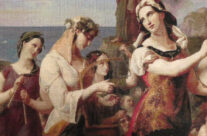
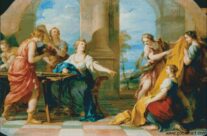
Miriam’s song of praise
Painter: Wilhelm Hensel Colors: 90 Dimensions: 69 * 69 squares1 square is 10 * 10 dots, about 1 centimeter Price: 15000 € Equivalent to 3739 squares (converted from circle to square or 373900 dots) Wilhelm Hensel (6 July 1794 – 26 November 1861) was a German painter, brother of Luise Hensel, husband to Fanny Mendelssohn, and brother-in-law to Felix Mendelssohn. Miriam’s Song of Praise (c.1836) was presented to Queen Victoria by the artist in...
Asociatia Goblenul si Arta Lucrului Manual
se constituie in baza prevederilor Ordonantei 26/2000, ca persoana juridica romana, nonguvernamentala, non-profit si apolitica, scopul ei fiind promovarea goblenurilor si a altor mestesuguri traditionale romanesti (arta tesutului, cusutului, impletitului, crosetatului) pe plan intern si international.History
Tapestry is a decorative textures of wool or silk, hand crafted used especially as decoration on house walls or furniture. In other words, tapestry is a textile surface built with a decorative purpose and utilitarian functions. Compared with upholstery, which is a simple textile work, with purpose of covering furniture pieces, tapestry is a work of art. More infoAbout me
I was initiated in gobelin art 1981 in the autumn. Till now I sewed over 150 gobelins. From 2004 I realize myself, using a computer special soft, patterns for unique gobelins.My gobelins collection could be admired with the opportunity of many exhibitions. More info
Latest articles
- Press release: TVR Iasi –... Posted on Nov 13 in Interview
- Press release: TVR Iasi –... Posted on Nov 3 in Interview
- Press release: TVR2 – Ar... Posted on Nov 2 in Interview
- Descarca Declaratia 230. Redir... Posted on Feb 1 in Articles
- Saint Matthew Writing His Gosp... Posted on Apr 25 in Religious
- Dirijati 2% din impozitul pe v... Posted on Mar 15 in Articles
- DMC to Glass Bead Conversion Posted on Mar 15 in Conversion charts
- Floss & Bead Conversion C... Posted on Mar 15 in Conversion charts
- China girl Posted on Feb 23 in Adelina Lazar
- Press release: stirileprotv.ro... Posted on Dec 11 in Interview